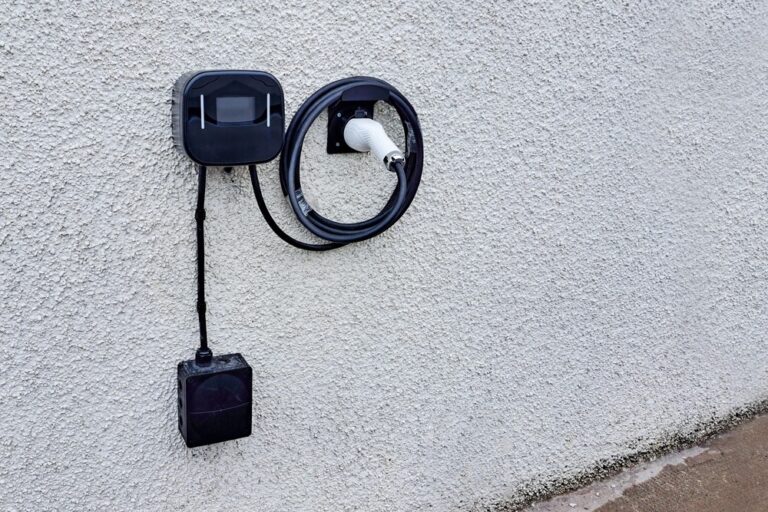
Electric vehicles are no longer a niche option. More and more drivers across Rhode Island and Massachusetts are making the switch to EVs, thanks to lower operating costs, environmental benefits, and expanding charging infrastructure. While buying an electric car is an exciting step, installing an EV charger is not as simple as plugging a new device into an existing outlet and calling it a day. You must consider your home’s existing electrical panel.
The electrical panel plays a critical role in safe, reliable EV charging. If the panel is outdated, overloaded, or undersized, adding a charger can create safety hazards, trip breakers, or lead to costly upgrades after the fact. Proper preparation of the panel, therefore, helps prevent overloads, protects your electrical system, and ensures your charger performs the way it should.
At Champion Electrical Services, we help homeowners get EV ready by evaluating panels, identifying risks, and planning smart solutions before installation begins. Let’s take a closer look at the key steps involved in preparing your electrical panel for EV charger installation so you know what to expect and why professional assistance matters.
Evaluate Your Electrical Panel Capacity
The first step in EV charger preparation is understanding what your electrical panel can handle. EV chargers draw a significant amount of power, especially Level 2 chargers, which are the most common choice for home and commercial use. These chargers require a dedicated circuit and consistent electrical capacity.
Many homes were designed long before EV charging was even a consideration, and older panels may already be operating near their maximum capacity, supporting appliances, HVAC systems, lighting, and electronics. Adding an EV charger without evaluating capacity can overload the system.
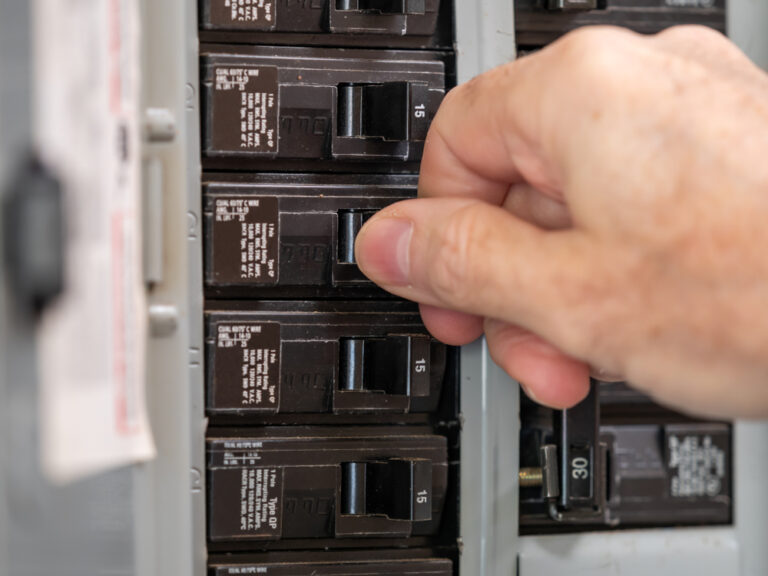
We begin by reviewing your panel’s amperage rating and available breaker space. A modern panel with sufficient capacity may be ready to support an EV charger with minimal changes. In other cases, electrical panel upgrades or adjustments may be needed to ensure safe operation.
Identify Signs You May Need an Electrical Panel Upgrade for Your EV Charger
Not every property needs a full panel upgrade to support EV charging, but certain warning signs make an upgrade more likely. Knowing these indicators can help you plan ahead and avoid delays.
Common signs your panel may need attention include:
- Frequent breaker trips
- Flickering lights
- Warm breakers
- Limited space for new circuits
- Panels that rely on outdated fuse systems
- Panels from brands known for reliability issues
Age is another factor. If your panel is several decades old, it may not meet current safety standards or power demands. Our electricians assess these factors to determine whether your panel can safely support an EV charger or if an electrical panel upgrade is the smarter long-term choice.
Understand Electrical Load Requirements for EV Chargers
Electrical load calculations are a crucial part of EV charger planning. An electric vehicle charger does not operate in isolation. It becomes part of your overall electrical system, sharing capacity with everything else that draws power.
This is why we calculate your existing electrical load and determine how much additional demand an EV charger will place on the system. This process ensures that the panel can handle peak usage without sacrificing performance or safety. In some cases, load management solutions or scheduling options can help balance power usage. In others, a full electrical panel replacement may be needed to ensure electricity is used and distributed properly.
Understanding load requirements also helps you choose the right charger. Not every property needs the highest powered option. Selecting a charger that aligns with your driving habits and electrical capacity can save money and reduce strain on the system.
Ensure Code Compliance in Rhode Island and Massachusetts
Electrical code compliance is a critical part of EV charger installation. Rhode Island and Massachusetts have specific requirements that govern electrical panels, wiring, grounding, and EV charging equipment. These codes are designed to protect people, property, and the electrical grid.
Preparing your panel means confirming that it meets current code standards or identifying what needs to be updated. This includes proper circuit breaker sizing, labeling, grounding, and clearances around the panel. Code compliance also plays a role in permitting and inspections, which are required for most EV charger installations.
We stay current with local and state codes so our customers do not have to worry about failed inspections or rework. Ensuring compliance from the start helps the installation process move smoothly and protects your investment.
Plan for Future EV Charging Needs
Preparing your electrical panel for an EV charger requires thinking about the future of charging as well as your current needs. When you reach out to our electricians about an EV charger installation, we will consider your daily driving habits, whether you would prefer a garage or outdoor installation, how many people will or may one day use the charger, and any potential plans for further renovations or new installations (whether weeks, months, or years down the road). Preparing the panel with future expansion in mind can save time and money in the long term.
Let Our Licensed Electricians Help You Through This EV-Ready Home Checklist
Installing an electric vehicle charging station is not a DIY project. The combination of high electrical loads, code requirements, and system integration makes professional expertise essential. Our licensed electricians bring the knowledge needed to evaluate panels, calculate loads, and complete upgrades safely so that your home meets all EV charger electrical requirements. We also take the time to explain your options, answer questions, and deliver solutions that work today and tomorrow.
If you are considering an EV charger in Rhode Island or Massachusetts, the first step is making sure your electrical panel is ready. Contact Champion Electrical Services to schedule an electrical panel evaluation or EV charger consultation. We are here to help you move forward safely, efficiently, and with peace of mind.