Buying a new home is an exciting milestone. Whether you’re purchasing your very first house or upgrading to your forever home, there’s nothing quite like imagining your future in a new space. However, before you sign on the dotted line, it’s important to do your due diligence and look beyond the cosmetic details. One of the most critical systems to inspect in any home is the electrical system.
While a home may appear beautiful and move-in ready, underlying electrical problems can lead to safety hazards, expensive repairs, or frustrating performance issues down the road. Thankfully, Champion Electrical Services is here to help homebuyers throughout Southeast Massachusetts and Rhode Island understand what to look for in a home’s electrical system. By knowing the warning signs and recognizing potential problems early, buyers can make informed decisions, avoid costly surprises, and ensure their future home is safe and ready to meet their electrical needs.
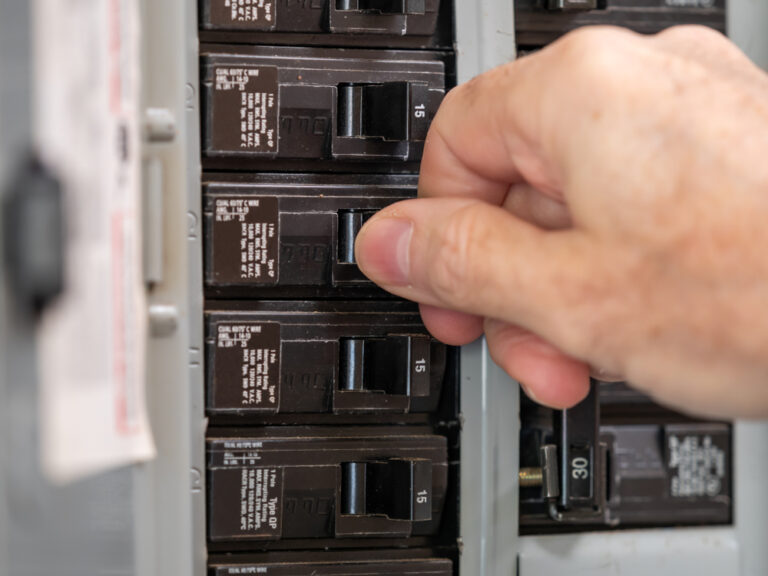
Checking the Electrical Panel
When touring a home, one of the first things to inspect is the condition and age of the panel.
Open the panel door and look for signs of rust, corrosion, scorch marks, or loose wiring. These can indicate moisture problems or overheating issues. You’ll also want to check whether the breakers are clearly labeled. A properly labeled panel shows that the system has likely been maintained and organized over the years.
Pay attention to the panel’s amperage as well. Older homes may still have 60-amp or 100-amp service, which may not be sufficient for modern households filled with electronics, appliances, and smart technology. Many newer homes operate on 200-amp or even 400-amp service to handle increased electrical demands.
Additionally, some older electrical panel brands have known safety concerns. If you spot brands such as Federal Pacific or Zinsco, it’s wise to have a licensed electrician inspect the system immediately.
Looking for Outdated Wiring
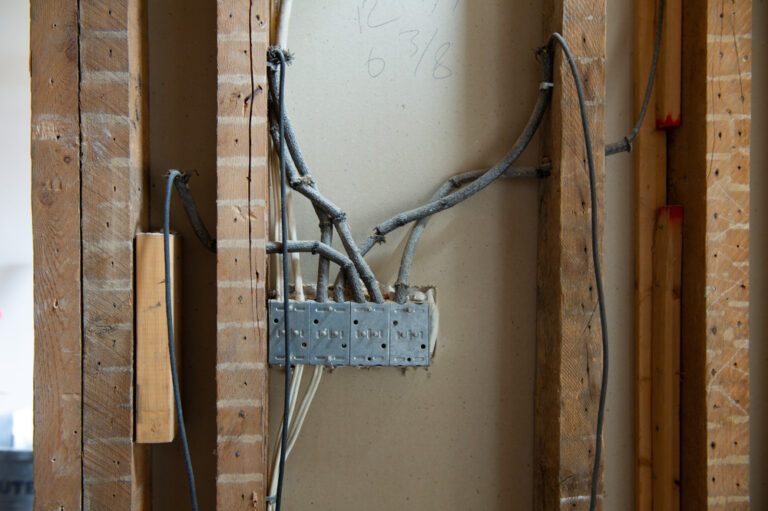
Older wiring materials may not meet today’s electrical standards and can increase the risk of electrical fires.
If the home was built several decades ago, ask about the type of wiring installed. Knob-and-tube wiring, commonly found in homes built before the 1950s, lacks grounding and may struggle to support modern electrical loads. Aluminum wiring, which became popular in the 1960s and 1970s, can also present fire hazards if not properly maintained.
Modern copper wiring is generally considered the safest and most reliable option. While outdated wiring doesn’t necessarily mean you should walk away from a property, it does mean you should factor potential upgrades into your decision-making process and budget.
Testing Outlets & Switches
Outlets and switches can reveal a lot about the condition of a home’s electrical system. As you tour the property, take time to test outlets and light switches throughout the home.
Loose outlets, switches that feel warm to the touch, or fixtures that don’t work properly can signal hidden electrical problems. Additionally, two-prong outlets may indicate an older, ungrounded system that could require updates for safety and insurance compliance.
You should also pay attention to the number and placement of outlets. Older homes often lack enough outlets to support modern lifestyles, leading homeowners to rely heavily on extension cords and power strips. This can overload circuits and create fire risks.
Inspecting GFCI & AFCI Protection
Ground Fault Circuit Interrupters (GFCIs) and Arc Fault Circuit Interrupters (AFCIs) are important safety features in modern homes.
GFCI outlets are designed to protect against electric shock by shutting off power when they detect moisture or ground faults. These outlets are typically required in kitchens, bathrooms, laundry rooms, garages, basements, and outdoor areas.
AFCIs help prevent electrical fires caused by arc faults and damaged wiring. Many newer homes include AFCI breakers in bedrooms and living areas.
When inspecting a home, verify that GFCI outlets are installed in appropriate areas and test them using the “test” and “reset” buttons. Missing or non-functional GFCI and AFCI protection could mean the home does not meet current electrical safety standards.
Watching for Flickering or Dimming Lights
Flickering or dimming lights may seem like a minor annoyance, but they can point to larger electrical issues. For example, if lights flicker consistently when appliances turn on or when multiple devices are running, the home may have overloaded circuits or insufficient electrical service.
These issues are especially important to investigate before buying a home because they may require extensive troubleshooting and repairs later.
Looking for Signs of DIY Electrical Work
Many homeowners attempt electrical repairs or upgrades themselves, but improper DIY electrical work can create serious safety hazards.
As you inspect the home, look for warning signs such as:
- Mismatched outlets or switches
- Exposed wiring
- Missing cover plates
- Overcrowded electrical boxes
- Extension cords used as permanent wiring
- Poorly installed light fixtures
Unpermitted or amateur electrical work may not meet local building codes and could fail future inspections. It may also create issues when obtaining homeowner’s insurance.
Checking Smoke & Carbon Monoxide Detectors
Smoke and carbon monoxide detectors are essential safety devices in every home. During your inspection, verify that detectors are installed in appropriate locations, including bedrooms, hallways, and living areas.
Massachusetts and Rhode Island both have strict requirements regarding smoke and carbon monoxide detector compliance during real estate transactions. Missing or outdated detectors can delay closings or require immediate upgrades.
Inspecting Outdoor Electrical Components
Outdoor electrical systems are often overlooked during home inspections, but they’re just as important as indoor components.
Check exterior outlets, lighting fixtures, garage wiring, and any electrical systems connected to pools, hot tubs, sheds, or landscape lighting. Outdoor outlets should be equipped with weatherproof covers and GFCI protection to prevent moisture-related hazards.
Look for damaged wiring, exposed cables, or signs of water intrusion around exterior electrical components. Poorly maintained outdoor electrical systems can become dangerous over time, especially in areas exposed to harsh New England weather conditions.
Trust Champion Electrical Services for Thorough Electrical Inspections
Buying a home is one of the biggest investments you’ll ever make, and ensuring the electrical system is safe and dependable should be a top priority. After all, hidden electrical problems can quickly turn your dream home into a costly and stressful situation if they aren’t identified before closing.
At Champion Electrical Services, we proudly help homebuyers throughout Southeast Massachusetts and Rhode Island make confident, informed decisions with professional electrical safety inspections and evaluations. Our experienced electricians know exactly what to look for and can identify outdated components, code violations, and potential future issues before they become major problems. Plus, we’re committed to providing dependable service, honest recommendations, and flat-rate pricing so you always know what to expect.
Contact Champion Electrical Services today to schedule a service and ensure your future home is ready for years of dependable performance.