Most homeowners don’t think about their electrical system until something goes wrong. The reality is that electrical problems can develop long before there are any obvious warning signs, and those hidden issues can create serious safety risks while quietly wasting energy over time. That’s why one of the best ways to protect your home and improve efficiency is with a professional electrical inspection.
Let’s take a closer look at why electrical inspections matter and what they can reveal.
What Is an Electrical Inspection?
An electrical inspection is a thorough evaluation of your home’s electrical system performed by a licensed electrician. The goal is to make sure everything is safe, up to code, and functioning the way it should.
During an inspection, an electrician will typically check key areas, such as:
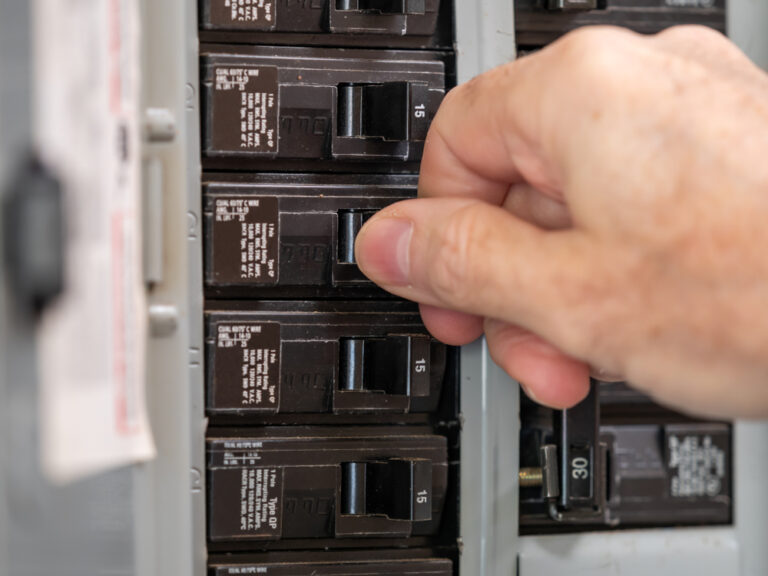
- The electrical panel and breakers
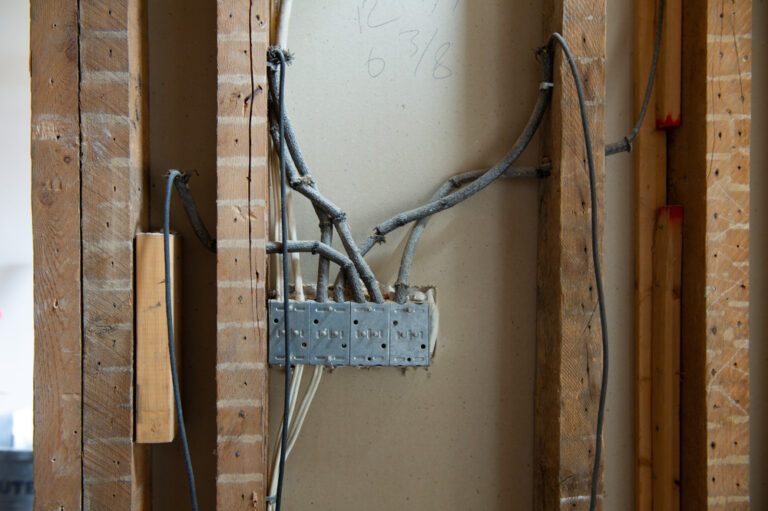
- Electrical wiring and connections
- Grounding and bonding
- Outlets, switches, and GFCI/AFCI protection
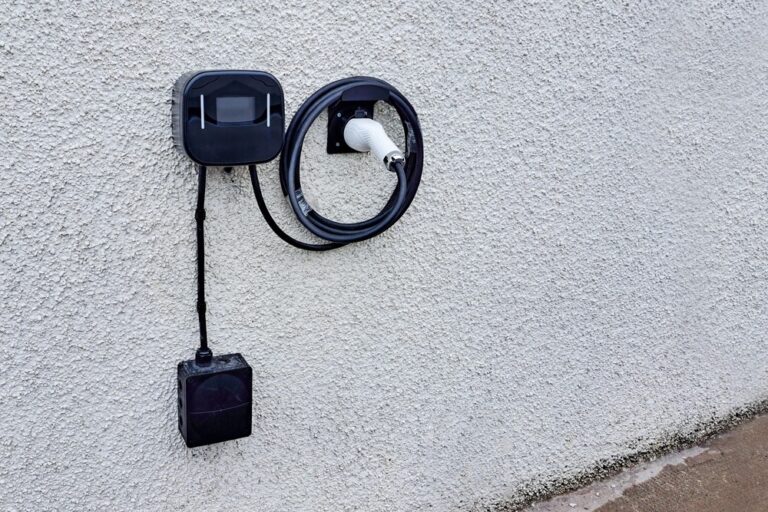
- Outdoor electrical components
- Signs of overheating, corrosion, or damage
- Electrical load and capacity (especially in older homes)
Think of these inspections like a check-up for your home. A professional can uncover problems and address them before they turn into expensive repairs or dangerous situations.
The Array of Electrical Safety Inspection Benefits
Electrical inspections aren’t just for older homes or homes with obvious issues. They’re valuable for any homeowner who wants peace of mind, better performance, and fewer surprises. Here are some of the biggest benefits of electrical safety inspections:
Identify Fire Hazards Before They Become Emergencies
One of the most important reasons to schedule an inspection is protecting your home’s safety. Electrical problems are one of the leading causes of house fires, and many of the most dangerous issues don’t show themselves until it’s too late.
Inspections can uncover hazards such as:
- Overloaded circuits
- Melted wiring insulation
- Improper breaker sizing
- Loose connections causing arcing
- Old or damaged wiring
- DIY electrical work that isn’t code-compliant
These problems can exist quietly behind walls, inside panels, or in attic spaces. By the time you smell something burning or see scorch marks, you’re already dealing with a serious situation.
Protect Your Family From Shock Risks
Outlets and switches can look perfectly normal from the outside while hiding wiring issues behind them. In fact, faulty grounding, worn insulation, or improperly wired outlets can all increase the risk of electrical shock, especially in high-moisture areas like kitchens, bathrooms, basements, and outdoor spaces.
A professional inspection ensures your home has proper GFCI and AFCI protection where needed. These safety devices are designed to shut off power quickly if something goes wrong to prevent serious injury.
Improve Energy Efficiency and Reduce Wasted Power
A lot of homeowners assume their homes’ energy efficiency is only affected by things like insulation, windows, and HVAC systems. But your electrical system plays a big role, too. Take a look at how electrical issues can waste energy:
- Loose wiring connections can create resistance, generating heat instead of usable power.
- Outdated electrical panels may not distribute power efficiently.
- Overloaded circuits can cause appliances to run inconsistently.
- Poorly wired lighting circuits can lead to flickering and reduced bulb life.
An energy efficiency electrical inspection helps pinpoint where your system is under stress or operating inefficiently. In many cases, electricians can recommend small upgrades or electrical repairs that improve performance, reduce wasted energy, and help your home run more smoothly.
Reduce Appliance Wear and Extend Equipment Life
When voltage levels fluctuate due to wiring issues or overloaded circuits, your appliances feel it, even if you don’t. Over time, those fluctuations can shorten the lifespan of expensive equipment like refrigerators, dishwashers, washing machines, and heating and air conditioning systems.
Electrical inspections help ensure your home is delivering steady, reliable power throughout the property. That’s good for your appliances, your electronics, and your long-term maintenance budget.
Catch Code Violations and Outdated Components
Electrical codes are updated over time for a reason: safety standards improve as we learn more about what causes fires, shocks, and equipment failures. An inspection can determine if your system is outdated. Specifically, it can uncover issues such as:
- Two-prong outlets without proper grounding
- Missing GFCI protection
- Aluminum wiring concerns
- Old fuse boxes or undersized panels
- Unsafe extension cord or power strip reliance
Depending on what’s discovered, your local electrician can recommend improvements, such as an electrical panel replacement, a surge protector installation, or rewiring. Services like these keep your home compliant with local and national regulations, as well as enhance your home’s energy efficiency.
Guarantee Peace of Mind for Homeowners and Buyers
Whether you’ve lived in your home for 20 years or you’re moving into a new place, there’s real value in knowing the electrical system is safe. Electrical inspections give you confidence that your home is protected and that your family isn’t living with hidden hazards.
For buyers and sellers, inspections can also prevent surprises during real estate transactions. Many homeowners find it’s better to address electrical concerns early rather than having them discovered during a home sale.
When Should You Schedule an Electrical Inspection?
A good rule of thumb is: if you’re wondering whether you need one, you probably do.
That said, there are certain situations where electrical inspections are especially important.
- If Your Home Is Older: Between smart TVs, air fryers, gaming systems, EV chargers, and home offices, most homes use far more electricity now than they did decades ago. If your home is 25 years or older, scheduling an inspection is a smart move even if you aren’t having noticeable problems.
- If You’re Buying or Selling a Home: Home inspections are standard, but they don’t always include a deep electrical evaluation. If you want a clearer picture of the electrical system, an electrical inspection is worth it.
- If You’ve Recently Completed Renovations: Home improvement projects can impact your electrical system more than you might think. If any electrical work was done, it’s smart to have the system inspected afterward.
- If You’re Adding Major Appliances: If you’re planning an installation for a hot tub, EV charger, new HVAC equipment, electric water heater, or whole-home generator, an inspection helps confirm your system can handle the load and identifies whether upgrades are needed.
- If You’re Seeing Warning Signs: If lights begin to flicker frequently, you hear buzzing sounds from outlets or switches, you have to keep flipping circuit breakers, you smell burning odors from electrical components, or you see sparking when plugging something into an outlet, you should schedule an electrical inspection to get to the bottom of the problem.
When you schedule an inspection, your local electrician can also help you come up with an electrical maintenance schedule that makes sense for your home and household’s needs. This plan will keep your system running efficiently and safely for years to come.
Home Electrical Safety Tips to Keep in Mind Between Inspections
Electrical inspections are a smart preventative step, but daily habits matter, too. Here are some helpful electrical safety tips to keep your home safer and more efficient between professional inspections.
- Don’t Ignore Tripped Breakers: A breaker that trips once may not be a big deal. But if it happens repeatedly, your system is trying to tell you something. It could mean a circuit is overloaded, a breaker is failing, or there’s a wiring problem that needs attention.
- Avoid Overloading Outlets: If you’re using multiple power strips or plugging too many devices into one outlet, it may be time to add more circuits or outlets. Overloaded outlets can overheat and create serious fire risks.
- Use GFCI Outlets in Wet Areas: Bathrooms, kitchens, garages, basements, and outdoor outlets should be protected with GFCI outlets. If your home doesn’t have them, schedule a professional evaluation.
- Replace Damaged Cords and Loose Outlets: Frayed cords, cracked plugs, and loose outlets are dangerous. Replace cords immediately, and have loose outlets repaired so they don’t create arcing or heat buildup.
- Pay Attention to Odd Smells: If you ever smell burning plastic or notice discoloration around outlets, shut off power to the area (if safe) and contact an electrician right away.
- Know Where Your Electrical Panel Is: In an emergency, you don’t want to waste time searching for the breaker box. Make sure everyone in your household knows where the electrical panel is located and how to safely shut off power if needed.
Schedule Your Electrical Inspection With Champion Electrical Services
Electrical inspections are one of the smartest ways to protect your home, prevent emergencies, and improve energy efficiency. If you live in Massachusetts or Rhode Island, Champion Electrical Services can provide a thorough, professional evaluation.
Contact us today to schedule an electrical inspection and learn about upgrades that can improve your home’s safety and efficiency.