Throughout Massachusetts and Rhode Island, historic homes line the streets of vibrant cities and quiet neighborhoods alike. From classic Colonials and Victorians to charming capes and triple-deckers, these properties tell stories of generations past. But while their craftsmanship and architectural details have stood the test of time, their electrical systems often haven’t.
Many of these homes were built decades ago, long before central air conditioning, high-powered kitchen appliances, home offices, smart devices, and electric vehicles became everyday necessities. As a result, outdated wiring, undersized electrical panels, and aging components can create both safety risks and practical limitations. For example, lights that flicker when appliances turn on, breakers that trip repeatedly, or outlets that can’t handle modern electronics are all signs that your home may be due for an upgrade.
With thoughtful upgrades and a professional installation, older homes can maintain their charm while meeting modern safety standards. Let’s take a closer look at the most important aspects of updating electrical systems in older homes.
Outdated Wiring and Safety Hazards
One of the most critical concerns in older homes is outdated wiring. Electrical standards have evolved significantly over the years, and what was once considered safe may now pose a serious risk.
Knob-and-Tube Wiring
Common in homes built before the 1950s, knob-and-tube wiring lacks the grounding protection required by modern electrical codes. While it was innovative at the time, it wasn’t designed to handle today’s electrical loads. Over time, insulation around the wires can deteriorate, increasing the risk of overheating and electrical fires.
Aluminum Wiring
Homes built in the 1960s and 1970s may contain aluminum wiring. While aluminum was once used as a cost-effective alternative to copper, it expands and contracts more than copper when heated. This movement can loosen connections over time, leading to overheating and potential fire hazards.
Deteriorating Insulation
Even copper wiring can become unsafe if the insulation has cracked, frayed, or degraded. Wires hidden behind walls may show no outward signs of damage, yet still present serious safety concerns.
If your home has outdated wiring, updating it not only enhances safety but also improves system reliability and insurability.
Upgrading Electrical Panels and Service Capacity
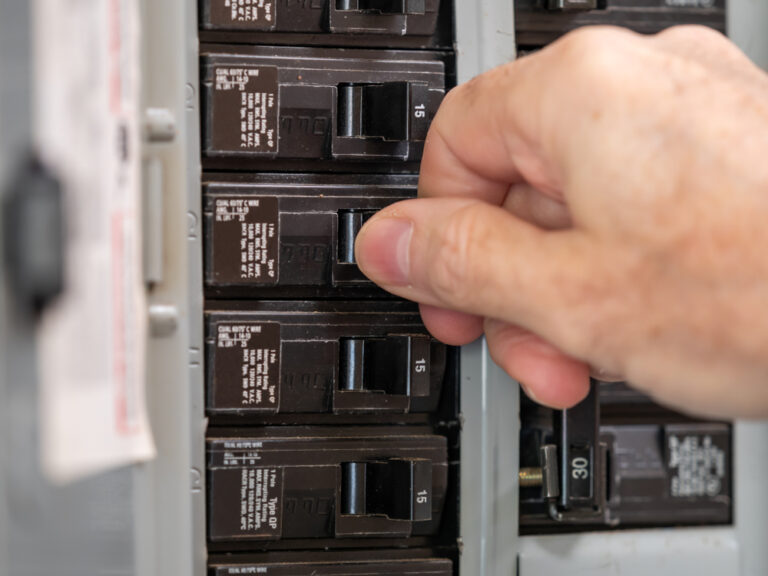
Another common issue in older homes is an undersized electrical panel. Many homes built decades ago were equipped with 60-amp or 100-amp service panels — more than sufficient for the limited appliances of the time.
Today’s households, however, rely on:
- Central air conditioning systems
- Electric ranges and dryers
- Home office equipment
- Smart home devices
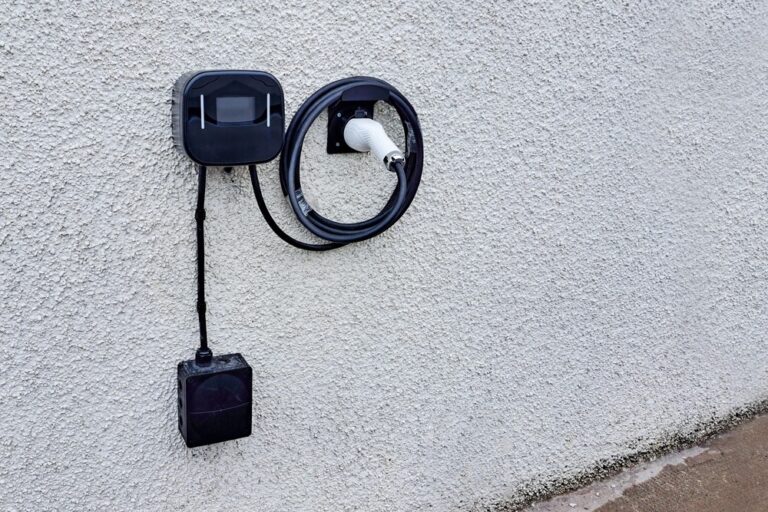
- EV chargers
- And more!
These modern demands often exceed the capacity of older panels.
If you frequently experience tripped breakers, dimming lights, or the inability to run multiple appliances simultaneously, it may be time for an electrical panel upgrade. In many cases, upgrading to a 200-amp or 400-amp service provides the capacity needed to safely power a modern home while allowing room for future additions.
Adding GFCI and AFCI Protection
Electrical codes have advanced significantly to prioritize homeowner safety. Two important protective devices that may be missing in older homes are GFCI and AFCI outlets.
GFCI (Ground Fault Circuit Interrupter) Protection
GFCI outlets are required in moisture-prone areas such as kitchens, bathrooms, garages, and outdoor spaces. They quickly shut off power if they detect an imbalance, helping prevent electric shock.
AFCI (Arc Fault Circuit Interrupter) Protection
AFCI breakers detect dangerous electrical arcs that can occur when wiring becomes damaged or loose. These arcs can generate heat and ignite fires behind walls.
Adding GFCI and AFCI protection to an older home significantly reduces safety risks and ensures compliance with modern electrical standards.
Increasing Outlet Availability and Convenience
Many older homes were built with far fewer outlets than modern households require. It’s not uncommon to find rooms with only one or two outlets, leading homeowners to rely heavily on extension cords and power strips.
Overloading outlets increases the risk of overheating and electrical fires. Strategically adding outlets throughout your home improves both safety and convenience. This includes:
- Additional kitchen outlets for countertop appliances
- Dedicated circuits for home office equipment
- Outdoor outlets for landscaping and seasonal lighting
- USB-integrated outlets for charging devices
By increasing outlet availability, you reduce strain on your electrical system and eliminate the need for unsafe temporary solutions.
Integrating Smart Home Technology and EV Chargers
Modern homeowners are increasingly interested in smart home technology and electric vehicle charging capabilities. However, older electrical systems often can’t safely support these upgrades without modifications.
Smart thermostats, automated lighting, security systems, and home automation platforms require reliable wiring and sufficient panel capacity. Similarly, EV chargers demand dedicated circuits and significant electrical load capacity.
Updating your system ensures that these modern conveniences can be integrated safely and efficiently without overloading your home’s infrastructure.
Improving Energy Efficiency With Modern Lighting and Devices
Electrical updates also present an opportunity to improve energy efficiency.
LED Lighting Upgrades
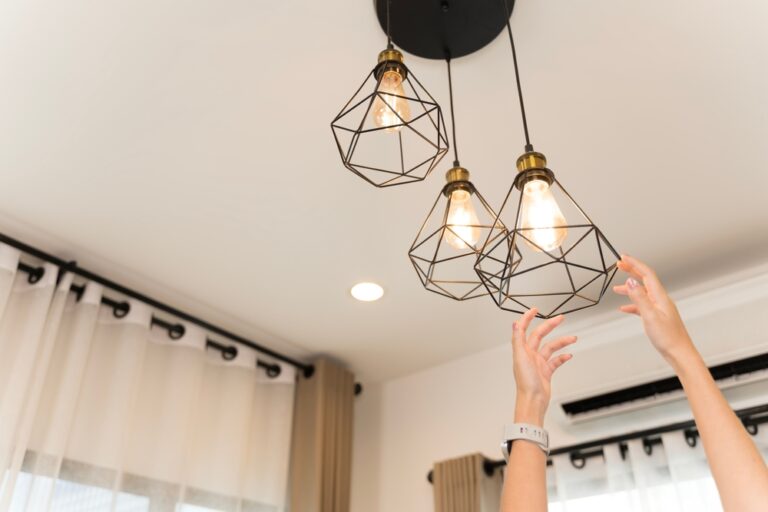
Replacing outdated incandescent or fluorescent lighting with LED fixtures can dramatically reduce energy consumption while improving brightness and longevity.
Energy-Efficient Devices
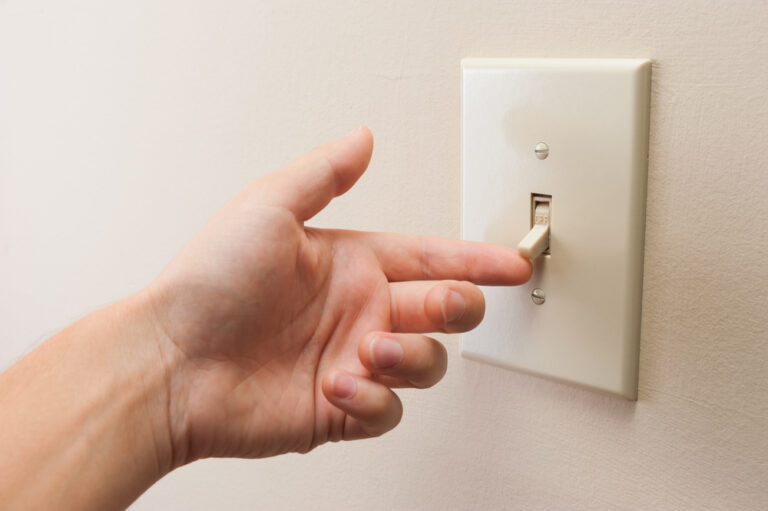
Modern electrical components are designed to minimize wasted energy and optimize performance. Upgrading switches, dimmers, and fixtures can lower utility bills while enhancing comfort.
You may also be pleased to know that improved efficiency benefits not only your wallet but also the environment.
Warning Signs Your Electrical System Needs Attention
If you live in an older home, watch for these common warning signs that it’s time to invest in an electrical panel replacement or even rewiring services for your older home:
- Flickering or dimming lights
- Frequently tripped breakers
- Buzzing sounds from outlets or panels
- Warm or discolored outlets
- Burning smells
- Insufficient power for appliances
- Reliance on multiple extension cords
These symptoms may indicate overloaded circuits, faulty wiring, or panel limitations. Addressing them promptly can prevent costly repairs and improve overall safety.
Why Working With a Licensed Electrician Matters
Electrical upgrades in older homes are not DIY projects. Proper installation requires technical expertise, code knowledge, and permitting experience.
Working with a licensed electrician ensures:
- Compliance with Massachusetts and Rhode Island electrical codes
- Proper permitting and inspections
- Accurate load calculations
- Safe, long-term performance
- Peace of mind for homeowners
At Champion Electrical Services, we bring years of hands-on experience modernizing older homes throughout Massachusetts and Rhode Island. We understand how to carefully upgrade wiring and panels while preserving the character of historic properties.
Modernize Your Home With Confidence
Older homes offer unmatched charm and craftsmanship, but their electrical systems must evolve to keep pace with modern living. Whether you need a panel upgrade, new wiring, additional outlets, or smart home integration, updating your system is an investment in safety, efficiency, and future readiness.
If your home is showing signs of electrical strain or you’re planning renovations, contact Champion Electrical Services today for a professional electrical inspection. We proudly serve homeowners throughout Massachusetts and Rhode Island, helping residents safely update their electrical systems while preserving the character of their homes.