It can be frustrating to see your lights flicker every time you turn on a major appliance, like your air conditioner, refrigerator, microwave, or washing machine. You flip a switch or press a button, and suddenly the lights dim for a moment before returning to normal. While occasional flickering might seem minor or harmless, it can sometimes signal underlying electrical issues that shouldn’t be ignored.
If you’ve noticed your lights reacting when appliances kick on, you’re not alone. This is a common issue in many homes, especially older ones. The key is knowing when it’s simply a normal electrical response and when it’s time to call in a professional.
What Causes Lights to Flicker When Appliances Start?
One of the most common reasons lights flicker when an appliance turns on is something called inrush current. Large appliances — particularly those with motors or compressors — require a surge of electricity when they first start up. This initial demand is much higher than the amount of power they use while running steadily.
For example, when your air conditioner or refrigerator compressor starts, it briefly draws a significant amount of current. That sudden demand can momentarily reduce the voltage available to other circuits in your home. As a result, nearby lights may dim or flicker for a split second.
In some cases, this brief dimming is completely normal, especially if it’s subtle and only lasts a moment. However, flickering can become more noticeable or frequent when other contributing factors are involved, including:
- Voltage Fluctuations: If your home’s voltage supply is inconsistent, appliances may cause more noticeable changes in lighting levels.
- Overloaded Circuits: When too many devices share the same circuit, the additional load from a large appliance can strain the system.
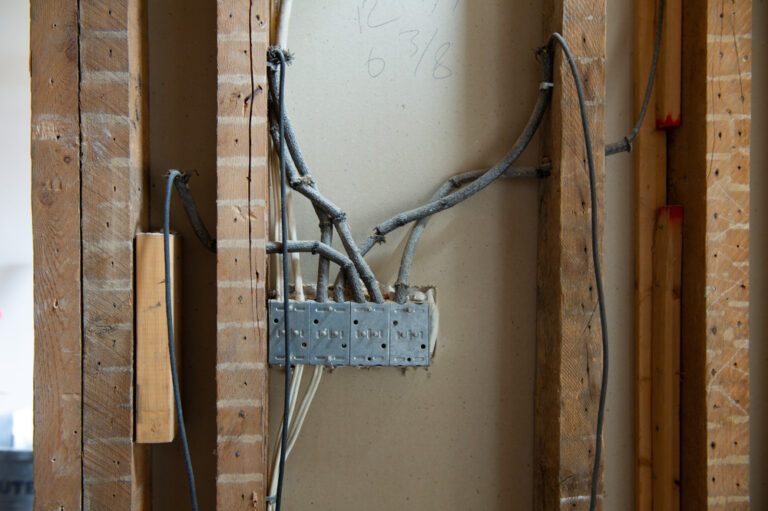
- Loose Wiring Connections: Poor or deteriorating connections can interrupt the steady flow of electricity.
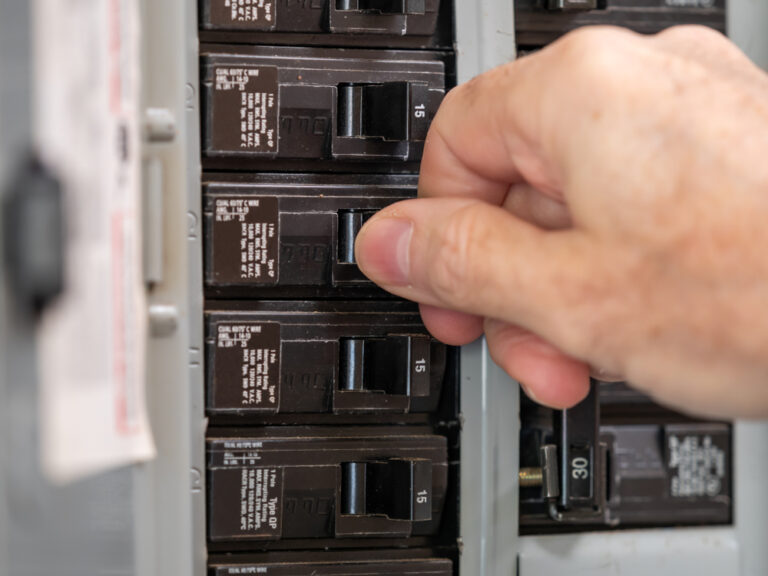
- Undersized Electrical Panels: Older panels may not be designed to handle today’s higher electrical demands.
When your electrical system struggles to distribute power evenly, flickering lights can be one of the first visible signs that it’s time for an upgrade.
Is Occasional Flickering Normal — Or a Sign of a Bigger Problem?
A brief, slight dimming when a major appliance starts is often considered normal. For example, if your lights dip for a fraction of a second when your air conditioner kicks on during the summer, that can simply be the system adjusting to the inrush current.
However, there’s a difference between momentary dimming and persistent or worsening flickering.
Here’s when flickering may point to a more serious concern:
- The lights dim significantly or repeatedly.
- Flickering lasts longer than a second or two.
- Multiple rooms experience flickering at once.
- The problem has become more frequent over time.
- You hear buzzing from the panel or switches.
- Breakers trip regularly.
These symptoms may indicate loose electrical connections, failing circuit breakers, problems inside the service panel, or even issues with your utility provider’s power supply.
Loose connections, in particular, should never be ignored. They can create heat buildup and increase the risk of electrical fires. Similarly, a failing breaker or deteriorating panel component can compromise your home’s safety.
If flickering lights are accompanied by burning smells, warm outlets, or sparks, you should contact a licensed electrician immediately.
Common Electrical Issues That Can Cause Flickering Lights
Several electrical system problems can contribute to flickering lights when appliances turn on. Identifying the root cause is essential for ensuring long-term safety and reliability.
Overloaded Circuits
An overloaded circuit occurs when too many devices draw power from the same line. If your lights and heavy appliances share the same circuit, turning on one high-demand device can strain the system and cause visible dimming.
Improper or Shared Wiring
In some homes, lighting circuits and appliance circuits are improperly connected or share wiring in ways that increase voltage drop. Appliances that require a large startup current can interfere with lighting performance if they are not on dedicated circuits.
Aging Electrical Panels
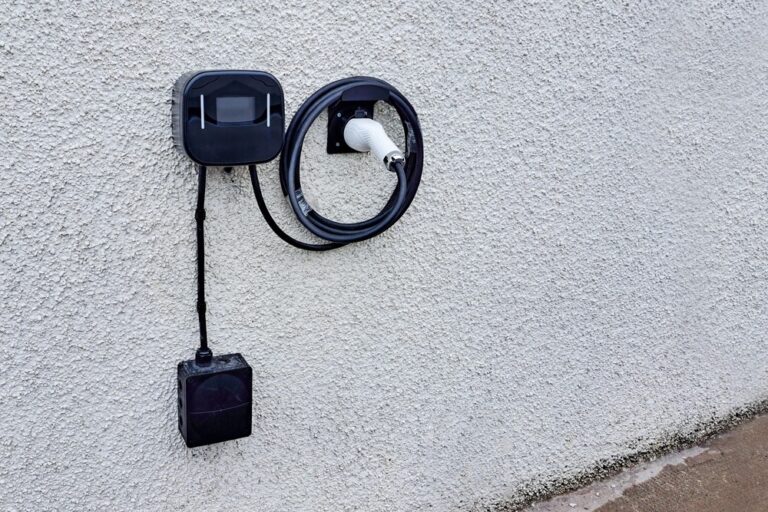
Homes built 30, 40, or even 50 years ago were designed for far fewer appliances. Today’s high-efficiency HVAC systems, tankless water heaters, electric vehicle chargers, and advanced kitchen appliances demand significantly more power.
An aging or undersized panel may struggle to distribute electricity evenly, leading to flickering lights, tripped breakers, or inconsistent performance.
Failing Breakers
Circuit breakers are designed to regulate and protect electrical flow. Of course, breakers can wear out or fail over time. And a weakening breaker may not manage voltage fluctuations properly, contributing to flickering lights when appliances start.
Loose Connections
Loose wiring at outlets, switches, light fixtures, or inside the service panel can create intermittent interruptions in electrical flow. Even small connection issues can cause noticeable flickering. More importantly, loose connections can generate heat and pose serious safety risks if left unaddressed, so don’t delay in asking your local electrician about a rewiring service.
Problems With the Main Service Connection
Sometimes, flickering lights aren’t limited to one room or circuit. If multiple areas of your home experience dimming at the same time, the issue could stem from the main service connection. Problems at the meter, weatherhead, or utility supply line can affect overall voltage stability.
If your neighbors are experiencing similar issues, the problem may lie with the utility company rather than your home’s internal wiring. Either way, it’s important to have the situation evaluated promptly.
How Electrical Upgrades Can Improve Performance and Safety
If flickering lights are tied to capacity or aging components, upgrading your electrical system can make a noticeable difference. Modernizing your home’s electrical infrastructure not only reduces flickering but also improves safety and efficiency.
Here are some of the best upgrades you could invest in to prevent flickering lights:
Panel Upgrades
Upgrading to a higher-capacity electrical panel ensures your home can handle today’s power demands. Specifically, a new panel allows for better load distribution, reduces voltage drops, and provides room for future additions, such as EV chargers or home expansions.
Dedicated Appliance Circuits
Large appliances should have their own dedicated circuits to prevent overload and interference with lighting. Installing separate circuits for high-demand equipment helps stabilize voltage and minimize flickering.
Whole-Home Surge Protection
Surge protection helps shield your appliances and electronics from voltage spikes. While it may not directly eliminate flickering caused by inrush current, it adds an extra layer of protection and contributes to overall electrical system health.
Wiring Updates
If your home has outdated or deteriorating wiring, updating it can significantly improve reliability, as modern wiring materials and proper grounding practices reduce resistance, enhance efficiency, and ensure consistent power delivery.
Contact Champion Electrical Services for Reliable Electrical Solutions
Ignoring persistent light flickering or unusual electrical behavior can lead to more serious problems, including damaged appliances, higher energy costs, and potential safety risks. So, don’t leave your home to chance. Turn to the professionals at Champion Electrical Services for expert electrical repairs, inspections, and upgrades in Rhode Island and Massachusetts. We’ll recommend the best solutions for your home so that you gain confidence in your home’s electrical performance. Contact us today to get started!